How Do We Truly Empower Youth in Agriculture?
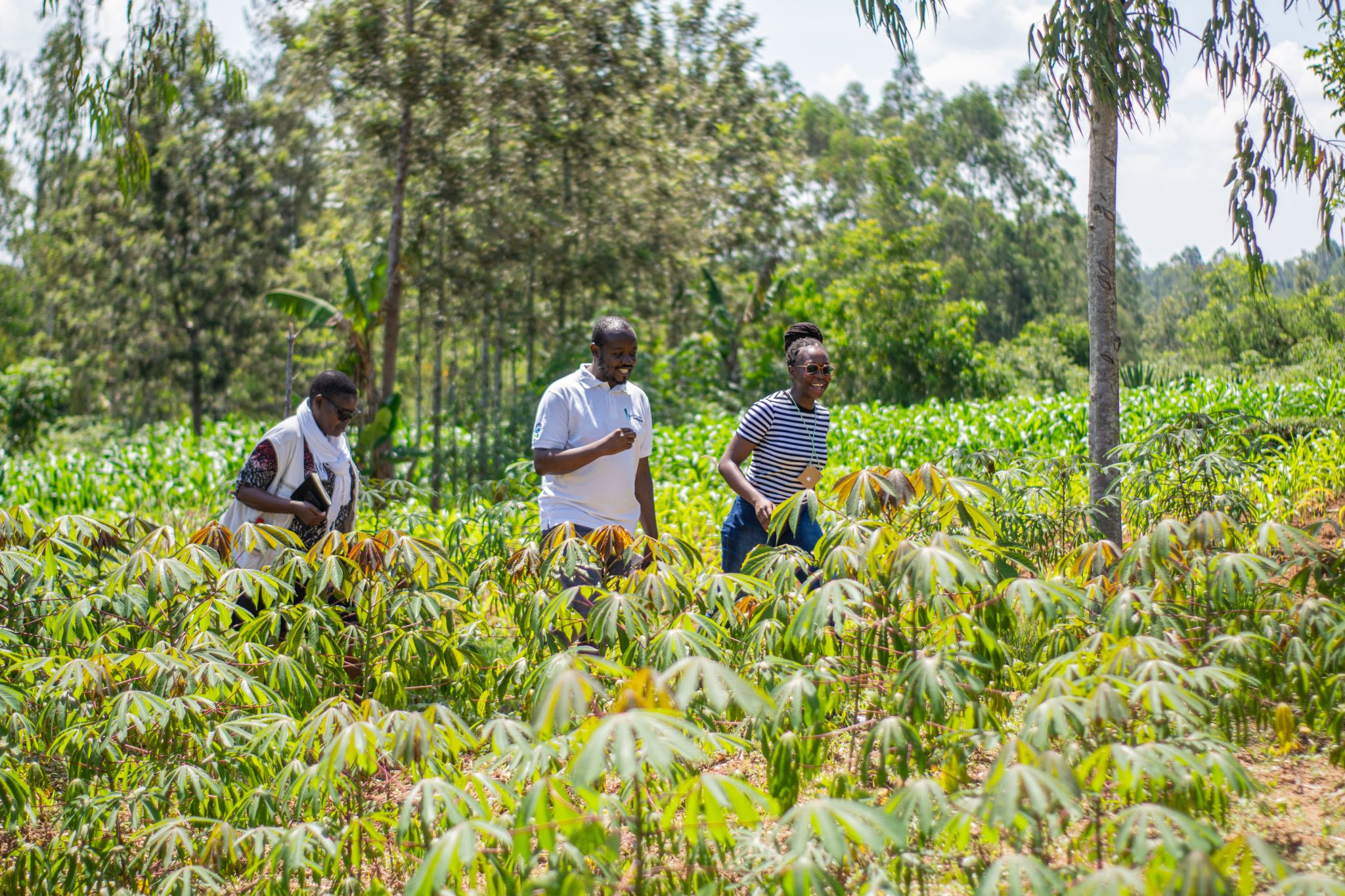
In many countries, agriculture is hailed as the backbone of the economy, a cornerstone of food security, and a vital driver of rural development. Yet, for many young people, breaking into farming feels like scaling an insurmountable mountain. Despite the promises and potential, they face criticism for being "impatient" or "unwilling to work hard." But is this criticism justified, or are we ignoring the systemic barriers they face?
At Tembea Futures Institute, we believe that if agriculture is to sustain our economy and ensure food security, we must dismantle the obstacles young people encounter and create a future where they can thrive as innovators in this critical sector.
The Myth of “Lazy Youth” in Agriculture
The narrative that young people shy away from farming is misleading. Many are genuinely interested in agriculture, drawn by the potential to innovate, introduce sustainable practices, and contribute to food security. The challenge isn’t a lack of interest-it’s the barriers to entry.
- Limited Access to Land: For young people without family-owned land or significant capital, acquiring land to start a farm is daunting.
- Outdated Policies: Antiquated land and agricultural policies often exclude youth, making it harder for them to access opportunities.
- High Costs: The financial burden of starting a farm-from seeds and equipment to irrigation systems-is often too high without substantial support.
The reality is that youth aren’t "lazy"-they’re underserved and under-supported.
Why Attracting Youth to Agriculture Matters
Youth bring energy, fresh perspectives, and a passion for innovation to agriculture. By incorporating modern technologies, sustainable practices, and entrepreneurial thinking, they can redefine what farming looks like in the 21st century. Encouraging their participation isn’t just good for them-it’s essential for the future of agriculture itself.
So how do we create an environment where young people are excited to farm, innovate, and grow?
1. Access to Land
Land is the most critical resource in farming, yet young people face immense challenges in acquiring it.
- Governments and institutions should introduce policies that allow affordable land leases for young farmers.
- Community-led initiatives can also support shared land access, where youth groups collaborate on agricultural projects.
2. Funding and Incentives
Starting a farm requires significant capital investment, but many young people lack access to affordable financing.
- Grants and Low-Interest Loans: Financial institutions should create youth-specific agricultural loan programs with favorable terms.
- Training Programs: Practical skills in farm management, marketing, and value addition can empower young farmers to succeed.
3. Innovation and Technology
Modern agriculture thrives on innovation, and technology offers endless possibilities to make farming more efficient and appealing.
- Supporting young farmers in adopting tech-driven methods like precision agriculture, drone monitoring, and smart irrigation systems.
- Encouraging partnerships with tech companies and startups to develop affordable tools tailored to small-scale farmers.
Investing in Agriculture Means Investing in Youth
For agriculture to truly be the backbone of our economy, our investments in youth must align with our ambitions. That means prioritizing:
- Land reforms to make land accessible.
- Funding mechanisms that cater to young farmers.
- Innovation hubs and technology transfer programs that bridge the gap between research and practice.
At Tembea Futures Institute, we champion a future where agriculture is not just a career for the young but a calling that excites and empowers them. Together, we can cultivate an environment where young people redefine farming and lead the charge for a sustainable, food-secure future.
Join us in the conversation and be part of the change!
Visit tembeafuturesinstitute.org to learn more about how we are empowering the next generation of agricultural leaders.
Food for thought: How can we, as individuals and institutions, make agriculture viable and attractive for youth in our communities? Share your ideas and stories with us!